“We need to stop asking only what governments can do for sport, and start demonstrating what sport can do for governments and the people they serve.”
These recent words from Commonwealth Sport President Dr Donald Rukare capture an important shift in how we should think about the role of sport – and why initiatives such as Sport for Change Cities are becoming increasingly relevant.
Speaking at the launch of the St John's Sports Pledge at the Commonwealth Heads of Government Meeting in Antigua and Barbuda on 3 November 2026, Dr Rukare (pictured below) challenged the sporting movement to make a stronger case for its contribution to society. The proposed pledge aims to strengthen collaboration between sport and governments, recognising its potential to address some of the biggest challenges facing communities across the Commonwealth.
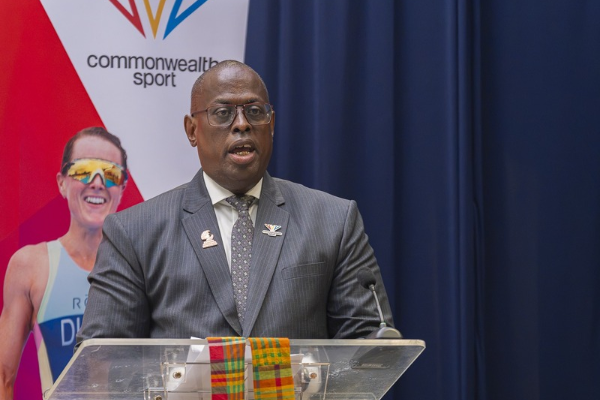
Its ambitions are wide-ranging, covering three key areas: building healthier, more resilient and inclusive societies; driving economic prosperity through sport; and strengthening unity, culture and international cooperation.
Dr Rukare said: "Glasgow (2026) showed us the extraordinary power of sport to bring people together and deliver wider benefits. But sport cannot be front and centre in our national conversations only once every four years.
DIFFERENCE
"The St John's Sports Pledge is about building a stronger, more connected sporting movement and working with governments and partners to ensure sport makes a lasting difference to more people and communities across the Commonwealth."
The message is clear. Sport should not be viewed simply as recreation, competition or an elite sporting spectacle. It is also a powerful tool for improving lives, creating opportunities and helping communities thrive.
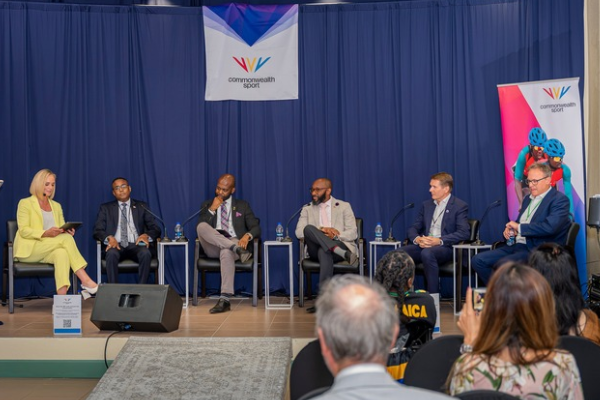
But demonstrating that impact requires more than words, strategies and policy commitments. It requires us to tell the stories, gather the evidence and give recognition to the organisations and people delivering change every day, often away from the spotlight.
This is precisely the thinking behind Sport for Change Cities, a ConnectSport initiative launched in March 2026.
Starting with its pilot programme in Wolverhampton, the campaign pairs local students and content creators with community organisations to uncover and amplify the contribution of grassroots sport and sport-based interventions to local communities. Through photography, film, journalism and lived-experience storytelling, it shines a light on organisations whose work can often go unnoticed, despite making a significant difference to people's lives.
DEMONSTRATE
From improving physical and mental wellbeing and developing confidence and life skills, to supporting education, employability, crime prevention and social cohesion, the stories demonstrate what sport can achieve beyond the playing field.
Speaking in the pilot programme's 2026 impact report Dr Lin Sambili-Gicheha, Sport for Development and Peace (SDP) adviser for The Commonwealth, commented: "Sport for Change Wolverhampton is helping to make visible the contribution already being made by community organisations across the city.
"By bringing organisations together, capturing their stories and building an evidence base around their work, the initiative can demonstrate not simply what sport delivers, but what sport changes."
There is a powerful connection between the ambitions of the St John's Sports Pledge and the ethos of Sport for Change Cities. Both recognise that sport has a much bigger contribution to make to public policy, community development and economic and social progress.
And both challenge us to move beyond simply asking for greater investment in sport. We need to demonstrate why investing in sport is an investment in people, places and stronger communities.
Read more about the St John's Pledge.
This story supports these goals and missions: